How San Diego Basketball Club Teams Encourage Competitive Excellence
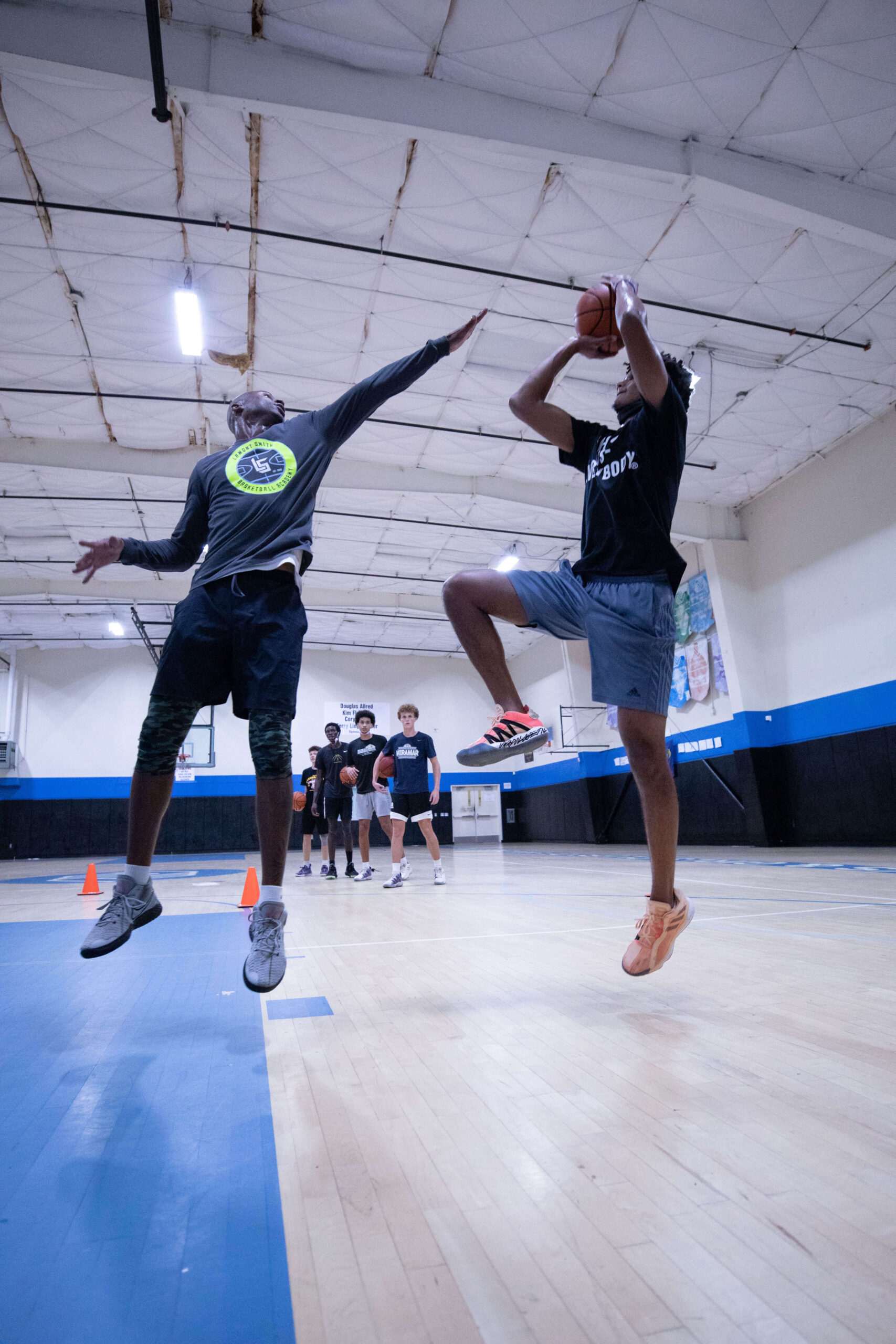
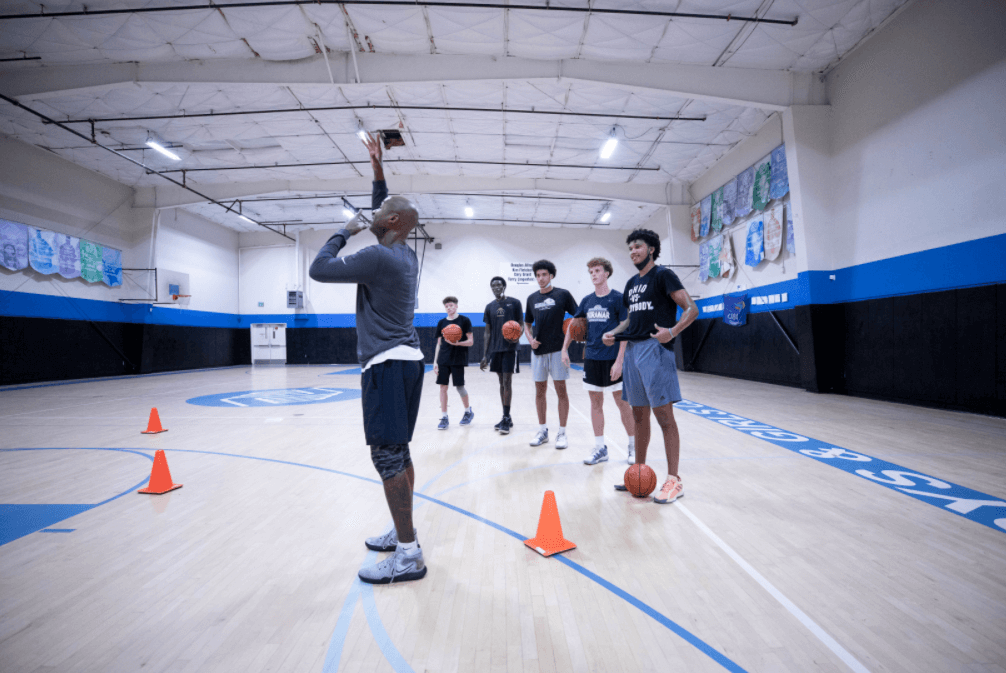
San Diego has never been a one-note basketball city. It is spread out, full of distinct neighborhoods, and shaped by a year-round sports culture that rewards kids who want to put in serious work. On any given weeknight, gyms in North County, central San Diego, the South Bay, and East County are full of players getting extra shots up, working through defensive rotations, or scrimmaging against older, stronger competition. That environment matters. It creates pressure, but it also creates possibility.
For families trying to understand where real player development happens, the phrase Basketball Club Teams San Diego comes up often, and for good reason. Club basketball sits in a space between recreational play and the highest levels of scholastic competition. At its best, it gives players more than exposure or extra games. It teaches them how to train with intention, compete under stress, handle disappointment, and improve in ways that show up long after a season ends.
Competitive excellence is a phrase that gets used loosely in youth sports. In practical terms, it means something more grounded. It means building habits that hold up when the game gets fast and physical. It means players learning to accept coaching, solve problems in real time, and perform when there is very little margin for error. The strongest club programs in San Diego do not simply chase trophies. They create conditions where excellence becomes repeatable.
The difference between playing a lot and developing well
A player can spend years around basketball and still plateau. That happens more often than people think. Games alone do not guarantee growth. Neither does raw athletic ability. Players improve when practice is demanding, feedback is specific, and competition reveals weaknesses honestly.
That is where club teams can have a major impact. In a well-run program, a player is asked to do more than score. Coaches look at closeouts, transition habits, help-side positioning, timing on cuts, body language after mistakes, and whether the player can process a correction and apply it on the next possession. Those details separate a casual player from a competitive one.
San Diego club teams often draw athletes from multiple school districts and backgrounds, which changes the standard in the gym. A guard who dominated a local rec league may suddenly face a longer defender from another part of the county who picks up full court and turns every dribble into work. A post player who has been able to rely on size might meet opponents with stronger footwork and better timing. That kind of friction is healthy. It forces adaptation.
I have seen players make bigger leaps in one demanding spring season than they did in two years of comfortable basketball. Usually, the leap was not magical. It came from being held accountable in a setting where weaknesses were exposed every weekend and then addressed in practice during the week.
San Diego’s basketball landscape raises the bar
San Diego’s geography creates an interesting competitive ecosystem. Talent is not clustered in one pocket. Strong players can come out of private schools, public schools, military families, beach communities, and neighborhoods where gym time is scarce and every rep is earned. Club teams that recruit across those lines create rosters with different strengths and different basketball instincts.
That diversity sharpens competition. One player brings polished skill work from years of private training. Another brings toughness from outdoor runs and high-possession games. Another might be a multi-sport athlete with unusual timing and mobility. When those players end up together, practices become serious quickly.
The travel component matters too. San Diego teams regularly compete against clubs from Orange County, Los Angeles, the Inland Empire, Arizona, and Nevada. That broader schedule changes how players think about performance. They are not measuring themselves only against familiar opponents. They are seeing different tempos, different offensive structures, and different levels of physicality. The lesson is direct: what worked last month may not work this weekend.
For ambitious players, that is exactly the point. Competitive excellence is not built by protecting confidence through easy wins. It is built by testing confidence against real resistance, then helping players grow without breaking them.
Coaching that teaches under pressure
The best club coaches do not confuse volume with instruction. They know when to stop a drill and correct a detail, and when to let players struggle through a possession to learn on their own. That balance is harder than it looks.
In San Diego, strong club coaches often wear several hats. Many have high school experience, college playing backgrounds, private training experience, or years of youth development behind them. The good ones understand that young players need both structure and freedom. Too much structure produces robots. Too much freedom creates sloppy habits that only work against weaker competition.
A good practice usually reveals a program’s priorities within ten minutes. Are players sprinting between reps, or drifting? Is defensive communication demanded every possession, or only praised when it happens naturally? Do coaches teach spacing, timing, and decision-making, or do they simply roll the ball out and let athletic players improvise? Those answers tell you whether a team is serious about excellence or just serious about appearances.
Players notice this quickly. They know when a coach has real standards. They also know when corrections are empty noise. The coaches who change players most are typically clear, demanding, and consistent. They do not scream at every mistake. They identify the one or two habits that matter most, then insist on them over time.
For example, a wing player might hear the same correction for weeks: arrive on the catch ready to attack, and make a decision in half a second. It sounds simple, but it affects everything, from pace to spacing to turnover rate. Club basketball is full of these small refinements. Over a season, they add up.
Why the practice gym matters more than the weekend bracket
Parents often focus on tournaments because that is where results are visible. The scoreboard is public. Highlights are shareable. College coaches, when they attend, are sitting in the bleachers. But the real culture of a club team is built in training, not on championship Sunday.
A practice environment that promotes competitive excellence usually has a few consistent traits:
- Drills are game-like and demand decisions, not just repetition.
- Players compete across positions, not only within fixed roles.
- Defensive standards are non-negotiable.
- Mistakes are corrected specifically, then revisited later.
- Playing time in practice is earned through effort and execution.
Those habits matter because tournaments can distort priorities. Teams may play several games in a short span, rotations may tighten, and coaches may lean on what is reliable rather than developmental. That is normal. The real question is whether the weekly training prepares players to handle those moments and eventually expand their roles.
I have watched plenty of average practice teams chase tournament success and flatten out by midsummer. I have also seen disciplined practice teams lose early in an event, go back to work, and look dramatically better six weeks later. The second group usually produces stronger long-term players.
Excellence is built through role clarity, not ego management
One of the healthiest things about a good club team is that it strips away assumptions. A player who was the unquestioned first option on a school or rec team may enter a club roster and become the third or fourth scoring choice. Another player may discover that their value is in defending the best perimeter threat, rebounding out of area, or bringing pace off the bench.
That can be uncomfortable, especially for teenagers. But it is also one of the clearest paths to competitive maturity.
When coaches define roles honestly, players learn to contribute without needing every possession to revolve around them. They https://www.google.com/maps?cid=10211666664564973643 start to recognize that winning basketball depends on screens set with force, weak-side rotations made on time, extra passes delivered without hesitation, and possessions extended through effort. Those details rarely get celebrated outside the gym, but they are often what keep strong teams alive in close games.
The challenge, of course, is that role clarity must come with room for growth. No player wants to feel trapped in a narrow label. Good club coaches handle this by telling players two truths at once: here is how you help us now, and here is what you must improve to help us more later. That approach keeps standards high without making development feel static.
Playing stronger opponents reveals what training must fix
Nothing speeds up development like a weekend where a team gets exposed in specific ways. Maybe the guards cannot handle pressure against switching defenses. Maybe transition defense collapses after missed shots. Maybe the half-court offense stalls because no one can create an advantage off the dribble. Those experiences can be frustrating, but they are extremely useful if the coaching staff treats them as information rather than embarrassment.
This is one of the hidden strengths of the club model in San Diego. Because teams often travel into deeper talent pools, they encounter styles that challenge assumptions. A compact local defense may not prepare a team for the length and speed they see in larger showcase events. Likewise, a team built on pure athleticism may struggle against opponents with better spacing and shot selection.
Players who stay with the process begin to understand something important: losing can sharpen excellence if the response is honest. A tough bracket can clarify priorities in a way that comfortable wins never will.
I remember watching a young San Diego guard a few years back who looked dominant in local runs but tentative in a tournament against longer, more disciplined defenders. He could not get all the way to the rim and had trouble making reads once help arrived. For a month afterward, his trainers and club coaches worked on pace changes, jump stops, and quick kick-out passes under pressure. By midseason, he was a different player. The breakthrough came not because someone told him he was special, but because the competition showed him exactly what he lacked.
The mental side of club basketball is not optional
Parents usually notice the physical demands first. Early mornings, multiple games, sore legs, long drives, recovery between events. But the bigger challenge for many players is mental.
Club basketball exposes players to uncertainty. Minutes fluctuate. Teammates are talented. Coaches are demanding. Opponents are often strangers, which removes the comfort of familiar scouting. One bad quarter can feel larger than it should. A missed rotation, a poor shooting stretch, or a rough matchup can shake confidence quickly.
That pressure is not a flaw in the system. Managed well, it is part of the benefit.
Competitive excellence requires emotional control. A player has to move on from mistakes without pretending they never happened. They have to hear hard feedback without shutting down. They have to stay engaged even when their role is smaller than they hoped. Those are not soft skills. They are central performance skills.
The strongest club environments teach resilience in practical ways. Coaches may sit players briefly after repeated mental errors, then put them right back in with a clear instruction. They may review film and ask players to identify their own missed reads rather than simply lecturing them. They may reward communication and poise as much as scoring output. Over time, players learn that composure is not personality based. It is trainable.
Parents shape the environment more than they realize
Any discussion of youth club basketball that ignores parents is incomplete. Families invest time, money, transportation, and emotional energy. Their influence is enormous, whether they mean it to be or not.
In the healthiest San Diego club settings, parents support the process without trying to control every detail. They understand that not every weekend will look fair from the stands. Matchups matter. Practice habits matter. Coaches sometimes shorten rotations to teach urgency or reward consistency. None of that means every coaching decision is perfect, but constant sideline evaluation usually clouds development rather than helping it.
There are a few parent behaviors that reliably support competitive excellence:
- Ask your child what they learned before asking how many points they scored.
- Let coaches handle corrections during competition.
- Judge progress over months, not one tournament.
- Be honest about fit, role, and readiness.
- Protect recovery, nutrition, and sleep at home.
That last point gets overlooked. A talented player who is under-recovered, poorly fueled, and chronically tired will struggle no matter how strong the team is. Club basketball demands adult support systems. Not pampering, support. Rides to early practices, consistent meals, enough sleep, and emotional steadiness after difficult weekends can make a real difference.
Development is rarely linear, especially in adolescence
One reason club basketball can be so valuable is that it gives players enough runway to develop through uneven stretches. Growth during middle school and high school is messy. Bodies change fast. Confidence rises and falls. Some players hit physical maturity early and look dominant at 13, then level out. Others are undersized for years, then surge once strength and coordination catch up.
Experienced coaches in the Basketball Club Teams San Diego scene tend to understand this. They know that a 14-year-old who struggles physically today may become a tough two-way player at 16 with the right patience and repetition. They also know that production can hide flaws. A player can score 18 points in a youth game and still have questionable footwork, poor shot selection, and weak help defense.
That is why player evaluation inside strong clubs often goes beyond box score habits. Coaches watch whether the athlete is coachable, whether their decisions improve, whether they compete on possessions that do not involve the ball, and whether they can absorb physicality without unraveling. Those indicators often predict long-term progress better than points per game.
Families sometimes have a hard time with this because development does not always match expectations. A player may need a season in a supporting role before earning more freedom. Another may move down temporarily to rebuild confidence or address skill gaps. Those moments can feel like setbacks, but they are often part of a healthier path than chasing status too early.
Skill work, team concepts, and strength training all have to connect
A common mistake in youth basketball is treating development as separate lanes. The player has a team practice here, individual trainer there, strength coach somewhere else, and school season layered on top. If those pieces do not align, progress gets diluted.
The better club programs act as a hub. They help players understand how individual skill translates to team needs. A guard’s ball-handling work is not just about flashy moves, it is about initiating offense under pressure and getting the team organized. A forward’s shooting work is tied to spacing and decision-making on the catch. Strength work is not only about muscle, it is about balance through contact, repeated effort, and injury prevention over a long season.
San Diego’s year-round climate makes extra work easier logistically than in many parts of the country. Outdoor courts stay active. Conditioning can happen almost anywhere. That is an advantage, but only if volume is managed wisely. More work is not always better work. Overtraining, especially for young athletes balancing school and multiple sports, can lead to burnout or nagging injuries.
Good coaches know when a player needs another hundred quality reps, and when they need to go home, eat, and recover.
What players gain even if they never play in college
Club basketball is often discussed through the lens of recruiting, but that can narrow the conversation too much. Yes, high-level teams and events can put players in front of college coaches. Yes, competition matters for athletes with collegiate goals. Still, the value of competitive club basketball is not limited to those outcomes.
Players learn how to prepare when something matters. They learn how to take feedback without ego getting in the way. They learn what their effort looks like when no one owes them minutes. They learn how to function as part of a group with different personalities, different backgrounds, and different strengths. Those lessons carry into school, work, and adult life more directly than a highlight tape ever will.
I have seen former club players become college athletes, and I have seen others move on from basketball after high school with no regrets because the experience taught them discipline and self-awareness. The common thread was not scholarship level talent. It was that they had spent meaningful time in environments that demanded standards.
Choosing the right club matters as much as choosing club basketball
Not every program that markets development actually develops players. Some are strong on branding and weak on teaching. Some play too many games and practice too little. Some promise exposure before a player has built the habits that make exposure useful. Families need to look carefully.
A strong fit depends on the athlete. One player may need a high-pressure roster with limited margin for mistakes because that sharpens focus. Another may need a developmental team with room to experiment and fail before stepping into a more competitive bracket. Neither path is automatically better. The key is honesty about where the player is now and what environment will stretch them productively.
Ask practical questions. How often does the team practice? What is the coaching philosophy on playing time? How are roles communicated? What tournaments are on the schedule, and why? How does the program support skill development outside games? What standards apply to attendance, effort, and conduct? The answers usually tell you more than social media ever will.
When the fit is right, players feel both challenged and supported. They are not protected from hard truths, but they are given a real path to improve. That combination is where competitive excellence grows.
Why San Diego club teams continue to matter
The strongest club teams in San Diego do more than assemble talent. They create daily habits around it. They force players to compete with purpose, respond to feedback, and keep evolving as the game asks more of them. They connect ambition to discipline.
That is the real engine behind excellence. Not slogans. Not uniforms. Not a single tournament run. Excellence comes from repeated exposure to meaningful standards, in practice, in travel, in film sessions, in difficult roles, and in games where every possession reveals something true.
For young athletes serious about growth, that is what makes club basketball worth the commitment. It turns potential into something sturdier. It gives players a place to test themselves honestly. And in a city with as much range, energy, and basketball hunger as San Diego, those opportunities continue to shape some of the most competitive players in the region.
Lamont Smith Basketball Academy
888 Clairemont Mesa Blvd Suite T-2, San Diego, CA 92123
(619) 639-8778
FAQ About Basketball Club Teams San Diego
How can a player join an LSBA club team?
Players are evaluated during practices so the coaching staff can recommend an appropriate team and development level. Families should contact the academy to confirm current openings and evaluation details.
Are club teams available for newer basketball players?
Yes. LSBA describes multiple levels, including a developmental option for newer players as well as more competitive teams for athletes with prior club experience.
What do LSBA club team practices emphasize?
Practices emphasize basketball fundamentals, team defense, structure, communication, and player development. The specific focus may vary according to the team and experience level.
Do all LSBA teams travel?
Travel expectations vary by level. Some teams focus on local competition, while advanced teams may participate in tournaments elsewhere in Southern California or beyond. Families should confirm the current schedule before enrolling.